

When to Mow Horse Pastures: A Seasonal Guide for Bluegrass Farms
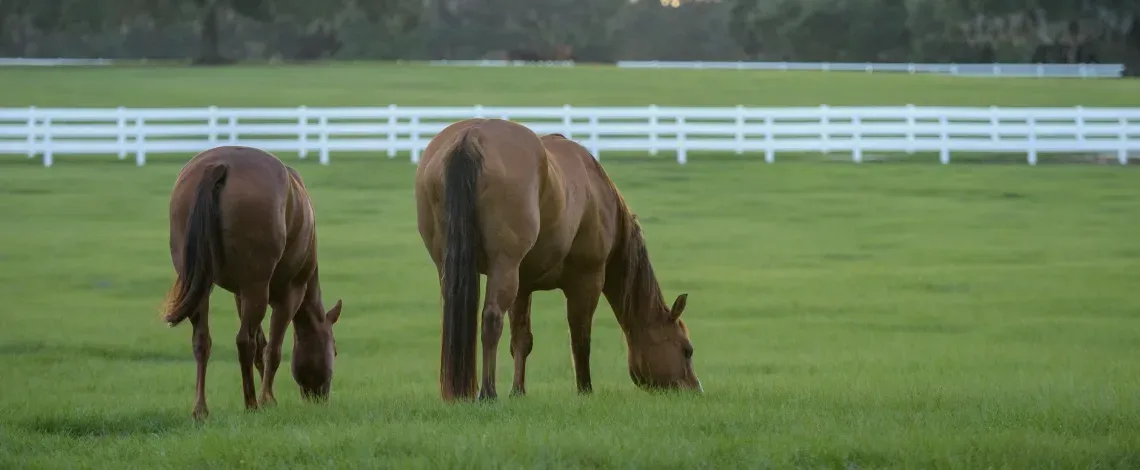
Knowing when to mow horse pasture areas can make a noticeable difference in forage quality, weed pressure, and the overall condition of your fields. For horse farms across Lexington, Richmond, and Kentucky’s Bluegrass region, mowing should be based on grass growth, grazing pressure, weather, and seedhead development rather than a rigid calendar.
Horse pastures also should not be maintained like residential lawns. Cutting too frequently or too short can remove useful forage and slow pasture recovery, while waiting too long can allow mature weeds and seedheads to take over. University of Kentucky guidance recommends mowing strategically based on pasture conditions and how horses use the field.
When Does a Horse Pasture Actually Need Mowing?
A pasture does not automatically need mowing every week or every other week. Healthy fields with manageable weed pressure often benefit from fewer, better-timed cuts.
Consider mowing when:
- Grass or weed seedheads are beginning to emerge
- Horses have grazed some areas heavily while leaving others tall
- Weeds are becoming tall enough to shade desirable forage
- Horses have just been rotated into another paddock
- Vegetation has become tall, rank, or difficult to inspect
- Rough areas are beginning to interfere with fences, gates, or access
Horses naturally graze some areas repeatedly while avoiding others. Mowing after horses leave a paddock can help even out those differences and encourage more uniform regrowth during the rest period.
A Seasonal Horse Pasture Mowing Guide for Central Kentucky
Kentucky's combination of cool-season grasses, spring growth, summer heat, and fall recovery means mowing needs can change considerably throughout the year.
Spring: Let the Pasture Grow Before Cutting
Spring is one of the fastest-growing periods for Kentucky pastures. Grass may take off quickly as temperatures rise, but that does not mean the mower needs to follow immediately.
Give desirable forage enough time to develop before mowing. Once grass seedheads begin appearing or weeds start competing with the pasture, a strategic cut can remove mature growth and encourage more vegetative regrowth. University of Kentucky pasture guidance notes that seedhead removal can improve forage quality because mature grasses direct more energy toward reproduction instead of leafy growth.
Spring is also a good time to watch for:
- Uneven grazing between paddocks
- Winter-damaged or thin sections
- Emerging broadleaf weeds
- Wet areas that should not be driven over
- Fence lines becoming difficult to inspect
Avoid mowing saturated fields simply because growth is getting tall. Heavy equipment on wet soil can create ruts and contribute to compaction.
Summer: Mow Only When the Pasture Needs It
Central Kentucky summers can slow the growth of many cool-season pasture grasses. During hot or dry periods, mowing on a fixed schedule can remove leaf area that the plants need to recover.
Instead, summer mowing should usually target specific problems. Tall weeds, seed-producing plants, rough patches, or areas horses consistently refuse to graze may justify mowing, while a stressed pasture may benefit more from being left alone.
Keep an eye on moisture conditions, too. If grass has already slowed because of heat or drought, repeatedly cutting it short can add stress to the pasture.
Do Not Mow Horse Pastures Too Short
One of the most common mistakes is treating pasture mowing like lawn mowing. Leaving adequate plant height helps protect desirable grasses and provides leaf area for continued growth.
University of Kentucky guidance generally recommends avoiding very close mowing. For continuously grazed horse pastures, mowing no lower than about six inches may be appropriate, while rotationally grazed fields may sometimes be clipped lower after horses are removed. The correct height still depends on forage species, field condition, and the grazing system being used.
A useful rule is to remove unwanted seedheads and uneven growth without scalping the desirable forage underneath.
Fall: Use Mowing to Prepare Pastures for Recovery
Fall brings cooler temperatures and improved growing conditions for many of the cool-season grasses common on Bluegrass farms. This makes it an important time to evaluate how pastures performed during summer.
A fall mowing may be useful after horses leave a paddock or when tall weeds and uneven growth remain. However, mowing should still respond to actual field conditions rather than simply being scheduled because the season changed.
Fall is also a good time to walk the property and identify:
- Areas that were repeatedly overgrazed
- Weeds that reached maturity during summer
- Bare or compacted ground
- Drainage problems
- Fence lines that need trimming
- Fields that may require renovation or heavier vegetation removal
UK Equine Programs specifically recommends evaluating weed pressure in fall because mature summer weeds are easier to identify then.
Winter: Give the Pasture and Equipment a Break
Regular pasture mowing normally winds down as growth slows and horses rely more heavily on stored forage or designated turnout areas. Winter is a good time to assess the property and plan the next growing season.
Avoid taking heavy mowing equipment across muddy or unstable ground. Instead, use the slower season to identify drainage issues, damaged fencing, brush encroachment, and fields that may need more extensive cleanup before spring growth begins.
Mowing and Brush Hogging Are Not the Same Job
Not every horse field can be brought back under control with routine pasture mowing. Fields that have been neglected for an extended period may contain vegetation that is too tall, thick, or woody for standard mowing equipment.
Routine pasture mowing works best for:
- Maintained paddocks
- Grass seedhead control
- Uneven forage growth
- Regular seasonal maintenance
Brush hogging is better suited for:
- Overgrown acreage
- Tall, dense weeds
- Rough sections of a farm
- Fields returning to regular maintenance
Once an overgrown field has been reclaimed, it may be easier to transition the area into a more consistent seasonal mowing schedule.
Build Your Mowing Schedule Around the Pasture, Not the Calendar
The best answer to when to mow horse pasture areas is not simply every two weeks or once a month. Walk the fields, watch how horses are grazing, check for seedheads and weeds, and consider how weather is affecting growth before deciding whether another cut is necessary.
A practical seasonal approach helps protect forage while keeping paddocks, fence lines, and larger farm areas manageable throughout Kentucky's growing season. Webb Outdoor Solutions provides mowing and outdoor property maintenance across Richmond, Lexington, and surrounding Central Kentucky communities.
Keep Your Bluegrass Horse Farm Manageable Through Every Season
Well-timed pasture mowing can help control weeds, manage uneven growth, and keep your fields easier to maintain year-round. Whether your property needs routine mowing, brush hogging, or seasonal cleanup, Webb Outdoor Solutions can help you stay ahead of overgrowth and changing pasture conditions.
Contact us today to discuss pasture mowing and farm property maintenance for your Lexington, Richmond, or Central Kentucky horse property.
Recent Posts
Get Started With Confidence
When you need dependable outdoor services, choose a team that values clear communication, quality workmanship, and reliable results. We take a practical approach to every project and focus on doing the job right from start to finish. Contact us today to discuss your needs and take the first step toward better outdoor spaces.