

Drainage & Erosion Control on Horse Farms: Protecting Pastures From Mud
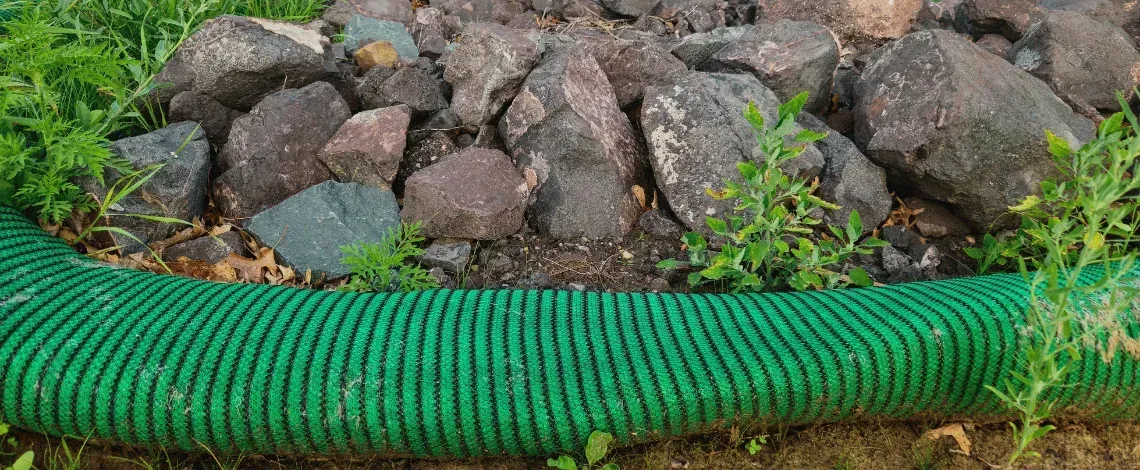
Drainage and erosion control protect horse pastures from mud by redirecting runoff, stabilizing high-traffic areas, and maintaining enough vegetation to hold the soil together. A successful plan may combine grading, drainage excavation, durable footing, rotational grazing, and routine equine farm maintenance. Addressing the source of excess water can improve pasture recovery while creating safer, more manageable areas for horses and farm staff.
1. Find the Source of the Mud First
Mud often develops where water collects faster than the ground can absorb or release it. Roof runoff, compacted soil, low areas, natural drainage paths, and repeated hoof traffic can all contribute to the problem.
Before adding gravel or reseeding a damaged area, inspect the farm during or shortly after rainfall. Pay close attention to:
- Water flowing from barn roofs and downspouts
- Low spots around gates, shelters, and water troughs
- Runoff moving downhill into paddocks
- Ditches, culverts, or drains that are blocked
- Bare slopes where water is carrying soil away
- Roads or fences interrupting natural water flow
Understanding where the water comes from makes it easier to choose a solution that addresses the actual cause.
2. Redirect Water Away From Pastures and Pens
Gutters and downspouts can direct roof runoff away from gates and paddocks. Grass-lined swales, shallow ditches, and culverts may also move water around pastures without disrupting its natural path.
Drainage should release water in a stable location without causing erosion elsewhere. Grading or drainage excavation may be needed when the land cannot move water effectively.
3. Reinforce Gates and Other High-Traffic Areas
Gates, troughs, shelters, and feeding stations often become muddy because repeated hoof traffic compacts the soil. Reinforcing these areas can improve drainage and create more stable footing. A properly prepared surface may include:
- Removing soft soil and shaping the ground
- Installing permeable geotextile fabric
- Adding a base of larger crushed rock
- Applying a smaller, hoof-safe top layer
- Maintaining the surface as materials settle
The materials and installation depth should match the soil, slope, and intended use. Finished areas should have no exposed fabric, sharp stone, or unstable edges.
4. Use a Sacrifice Area During Wet Conditions
A sacrifice area gives horses a designated turnout space while saturated pastures rest. Stable footing and controlled drainage can keep damage from spreading across the farm.
Horses should return only after the soil dries and the grass recovers. Waiting until forage reaches an appropriate grazing height, often four to six inches, can help plants tolerate renewed use.
5. Protect Soil With Healthy Pasture Growth
Healthy grass slows runoff, holds soil in place, and helps prevent erosion. Bare or thinning areas should be addressed before they become larger mud problems. Effective pasture care may include:
- Reseeding bare or thin sections
- Correcting compacted soil
- Maintaining a suitable mowing height
- Rotating horses between paddocks
- Dividing large grazing areas
- Keeping stocking rates manageable
Seed cannot correct poor drainage by itself. Water movement, soil condition, and grazing pressure must also be managed so grass can establish.
6. Control Erosion Before It Spreads
Small channels, exposed roots, displaced gravel, and soil collecting at the bottom of a slope are early signs of erosion. These problems can deepen after every storm, particularly where water moves quickly over bare or steep ground.
Solutions may include redirecting runoff, reshaping unstable slopes, adding vegetation, installing erosion-control materials, or building a retaining feature where appropriate. Prompt repairs can help preserve usable acreage and reduce the amount of soil and sediment entering ditches, ponds, and neighboring areas.
Protect Your Property With Professional Farm Maintenance
At Webb Outdoor Solutions, we help Central Kentucky property owners address outdoor conditions through grading, drainage excavation, erosion control, land clearing, and related site work. We can evaluate how water moves across the property and recommend practical improvements based on its terrain, access, and daily use.
We also understand that drainage work must fit into the broader needs of an active horse farm. By combining earthwork with ongoing equine farm maintenance, pasture mowing, brush control, and field cleanup, we help owners protect their land and keep frequently used areas more manageable.
Protect Your Horse Pastures With Better Drainage
Persistent mud is easier to control when runoff, footing, grazing pressure, and vegetation are addressed together. Our team can help identify problem areas and complete the grading, drainage, erosion control, or site preparation needed to protect your horse farm.
Contact us today to discuss your property and choose an equine farm maintenance plan built around its conditions.
Recent Posts
Get Started With Confidence
When you need dependable outdoor services, choose a team that values clear communication, quality workmanship, and reliable results. We take a practical approach to every project and focus on doing the job right from start to finish. Contact us today to discuss your needs and take the first step toward better outdoor spaces.