

Brush Hogging vs. Regular Mowing: What Large-Acreage Horse Farms Need
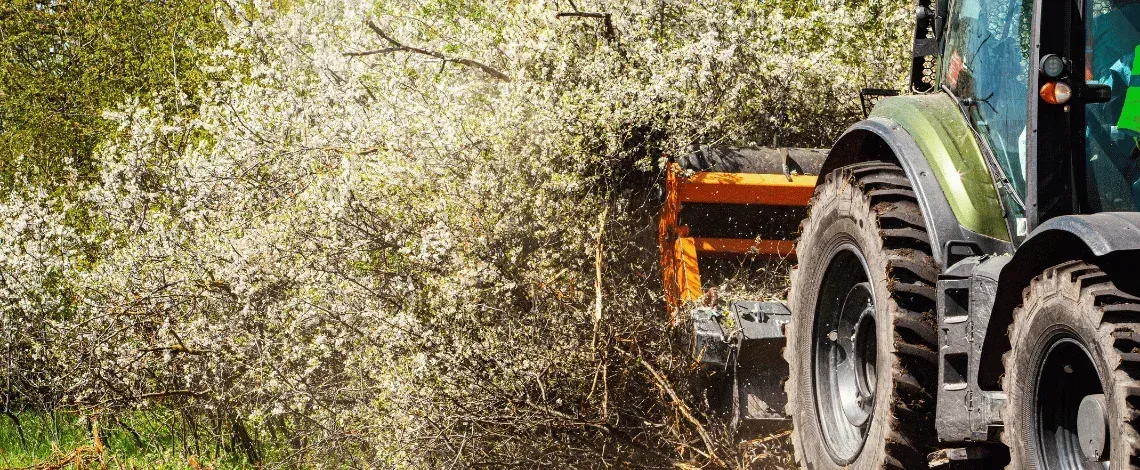
Brush hogging is best for overgrown pastures, rough acreage, heavy weeds, and areas with light woody growth. Regular mowing is better for maintained paddocks, lawns, and other smooth areas where grass is already short. Most large-acreage horse farms need both methods as part of a practical equine farm maintenance plan.
The Main Difference Between Brush Hogging and Regular Mowing
Both services cut vegetation, but they use different equipment and produce different results. Brush hogging relies on a tractor-mounted rotary cutter built for power and rough conditions, while regular mowing uses more precise blades to create a cleaner finish. The right option depends on the vegetation, terrain, and intended use of the area.
- Brush hogging: Cuts tall grass, dense weeds, brush, and some small saplings
- Regular mowing: Maintains shorter grass on relatively smooth, open ground
- Finished appearance: Brush hogging leaves a rougher cut, while regular mowing creates a more uniform look
- Best use: Brush hogging reclaims rough areas, while mowing maintains areas already under control
When a Horse Farm Needs Brush Hogging
Brush hogging is often the better choice when a field has gone too long without maintenance. Its rugged equipment can move through tall vegetation and uneven terrain that may damage or overwhelm a standard mower. It is especially useful for restoring access and bringing neglected acreage back to a manageable condition.
A horse farm may need brush hogging for:
- Overgrown or unused pastures
- Tall weeds that are beginning to produce seed
- Brush along field edges and fence lines
- Rough ground with thick vegetation
- Areas being prepared for future pasture improvement
- Acreage that cannot be safely handled with a finish mower
Operators should still inspect rough fields before cutting. Hidden wire, deep holes, large rocks, fallen limbs, and other debris can create hazards for the equipment and anyone nearby.
When Regular Mowing Is the Better Choice
Regular mowing works well in paddocks and open areas where the grass is already established and kept under control. It produces a shorter, more even cut that is appropriate around barns, entrances, driveways, and other frequently used parts of the property. Smooth terrain and relatively short vegetation are important because finish mowers are not designed to handle dense brush or large debris.
Routine pasture mowing can also remove mature seed heads and encourage more uniform regrowth. According to theUniversity of Maryland Extension, mowing may help prevent certain weeds from going to seed, but its value depends on the field, timing, and plant species present. It should be used as one part of pasture management rather than treated as a complete solution for every weed problem.
Use the Right Maintenance Method for Each Pasture Issue
Brush hogging and mowing can improve a horse farm, but neither service should be applied the same way across every field. Cutting height, weed pressure, manure buildup, ground conditions, and grazing patterns should all influence the maintenance plan.
Protect Grass With the Right Cutting Height
Horse pastures should not receive the close, polished cut used on residential lawns. Cutting forage too short can weaken desirable grass, reduce root reserves, and expose open soil where weeds can establish.
The University of Kentucky notes that mowing around six inches may prevent some larger weeds from producing seed, although it will not control every species. The proper height still depends on the forage, season, grazing pressure, and condition of the field.
Know What Brush Hogging Can and Cannot Fix
Brush hogging can cut back tall weeds, prevent some plants from producing seed, and reopen heavily overgrown areas. However, repeated cutting may not eliminate established roots or correct the conditions that allowed weeds to spread.
Persistent weed growth may point to:
- Overgrazing or thin forage
- Compacted soil or poor drainage
- Low soil fertility
- Bare areas where weeds can establish
- Toxic or invasive plants requiring targeted removal
The
University of Kentucky Equine Program explains that mowing alone is rarely enough to kill pasture weeds. Poisonous plants should be identified and removed carefully instead of being cut and left where horses may reach them.
Handle Manure With a Separate Plan
Brush hogging may pass over dried manure, but it does not replace routine collection or chain harrowing. Smaller paddocks and high-traffic areas may benefit from regular manure removal, while suitable larger pastures may be dragged under the right conditions to break apart piles and distribute material. Because timing can affect parasites, weeds, and turnout, farm owners should consult a veterinarian or local extension professional before choosing an approach.
Use Both Methods Across a Large Horse Farm
Choosing between brush hogging and regular mowing does not have to be an either-or decision. A large property often contains several types of terrain and vegetation, each requiring a different level of cutting. Dividing the farm into maintenance zones makes it easier to match the equipment to the work.
- Active paddocks: Mow as needed based on forage height and grazing conditions
- Rough pastures: Brush hog before weeds and brush become difficult to control
- Barns and entrances: Use regular mowing for a neat, consistent appearance
- Fence lines and corners: Trim or brush hog depending on access and vegetation
- Unused acreage: Schedule periodic brush hogging to prevent heavy overgrowth
Dependable Equine Farm Maintenance for Central Kentucky Properties
At
Webb Outdoor Solutions, we help property owners maintain large acreage with the equipment and planning needed for each part of the farm. We evaluate vegetation height, terrain, access, and current field conditions before recommending brush hogging, pasture mowing, fence line trimming, or related cleanup. Our goal is to keep the property manageable while protecting the areas used by horses, farm staff, and equipment.
We can also coordinate related outdoor work when a farm has drainage trouble, overgrown access routes, uneven ground, or acreage that needs to be reclaimed. By addressing these concerns together, we create a more practical maintenance plan instead of treating every field the same way.
Schedule Brush Hogging or Pasture Mowing for Your Horse Farm
Keeping a large horse farm under control starts with choosing the right equipment for each field. Our equine farm maintenance services can help manage overgrown pastures, maintain active paddocks, and improve access throughout your property.
Contact us today to discuss your acreage and build a brush hogging and mowing plan that fits the way your farm is used.
Recent Posts
Get Started With Confidence
When you need dependable outdoor services, choose a team that values clear communication, quality workmanship, and reliable results. We take a practical approach to every project and focus on doing the job right from start to finish. Contact us today to discuss your needs and take the first step toward better outdoor spaces.