

Pasture Management for Horse Farms: A Central Kentucky Guide
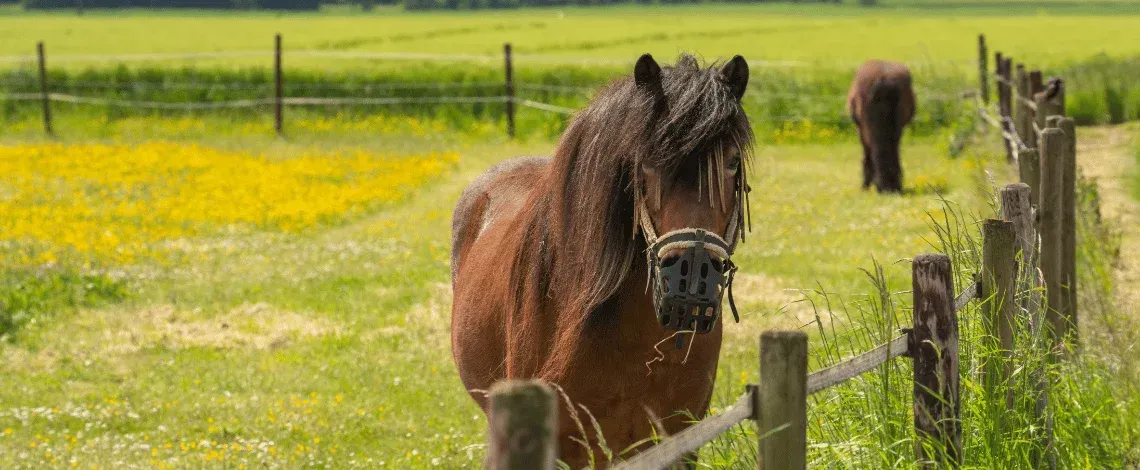
Effective pasture management for horse farms in Central Kentucky combines rotational grazing, proper mowing, soil care, overseeding, and regular field maintenance. These practices help protect desirable forage, reduce muddy or bare areas, and keep paddocks safer for horses. The right plan should reflect the property’s acreage, stocking density, drainage, and seasonal conditions.
Build a Better Rotational Grazing Plan
Allowing horses to remain in one field for too long can lead to overgrazed grass, compacted soil, and concentrated manure. Rotational grazing reduces that pressure by dividing the available acreage into smaller paddocks and moving horses as forage conditions change.
A common guideline is to move horses when grass reaches roughly 2 to 4 inches and allow it to recover to approximately 6 to 8 inches before grazing resumes. These heights may vary based on the forage species, weather, soil conditions, and number of horses.
A practical rotation should account for:
- Water access in every active paddock
- Safe gates and travel routes between fields
- The number of horses using each area
- Rest periods for damaged or recently seeded fields
- A sacrifice area for wet weather or limited forage periods
Even a simple rotation between two or three paddocks can reduce pressure on the most frequently used parts of a farm. The goal is to give grass enough time to regrow instead of allowing horses to repeatedly graze the same plants.
Combine Mowing, Weed Control, and Field Cleanup
Regular mowing controls uneven growth, clips weeds before they produce seed, and supports more consistent forage. Fence line trimming also keeps gates, corners, and boundaries accessible.
Brush hogging can reclaim overgrown acreage, while harrowing helps break up and distribute manure when conditions are suitable. Ask your veterinarian about turnout timing and parasite concerns after harrowing.
Strengthen Thin Pastures From the Ground Up
Before overseeding a thin pasture, correct problems such as compaction, poor drainage, heavy traffic, or low soil fertility. Soil testing can identify whether lime or additional nutrients are needed.
Fall overseeding with a no-till drill can improve worn areas without heavily disturbing established grass. Keep horses off newly seeded paddocks until the forage is strong enough for grazing.
Understand the Risks of Tall Fescue
Some tall fescue contains an endophyte that can create reproductive risks for pregnant mares, especially late in gestation. Testing can help owners understand the forage growing in each field.
Management may include moving mares, renovating selected paddocks, or introducing suitable grass varieties. Consult an equine veterinarian, forage specialist, or the University of Kentucky Horse Pasture Evaluation Program before making major changes.
Follow the Needs of Each Season
Pasture management should change throughout the year rather than follow one repeated maintenance routine. Central Kentucky weather can shift quickly, so field conditions should always guide the timing of mowing, seeding, harrowing, and equipment use.
| Season | Main Pasture Priorities |
|---|---|
| Spring | Inspect fences, evaluate winter damage, test soil, begin mowing, and harrow suitable fields |
| Summer | Rotate horses, monitor forage height, control weeds, and check water access |
| Fall | Overseed thin areas, manage brush, address soil needs, and complete field repairs |
| Winter | Limit use of vulnerable paddocks, manage muddy areas, and plan larger improvements |
Address Drainage and High-Traffic Areas
Gates, shelters, feeding areas, and water sources often experience the heaviest hoof traffic. When these areas remain wet, the soil becomes compacted and grass disappears, leaving mud that can spread into surrounding paddocks. Moving equipment through saturated areas can make the damage even worse.
Some farms benefit from improved grading, drainage work, or a designated sacrifice area that can be used when the main pastures need protection. Field entrances may also require surface improvements to support safer access for horses and maintenance equipment. Correcting these problems can improve runoff control and make future mowing or overseeding more effective.
Your Local Source for Equine Farm Maintenance
At
Webb Outdoor Solutions, we help Central Kentucky horse farm owners keep their acreage cleaner, safer, and easier to manage. Our equine farm maintenance services can support both recurring upkeep and larger field improvement projects.
Depending on the property, we can help with:
- Pasture and paddock mowing
- Fence line trimming and maintenance
- Brush hogging and field reclamation
- Grading and site preparation
- Drainage improvements
- Seasonal property cleanup
We consider the terrain, field conditions, access points, and daily use of the property before starting work. This allows us to recommend practical maintenance that fits the farm instead of applying the same approach to every field.
Keep Your Central Kentucky Horse Farm in Better Condition
Healthy pastures require consistent attention, proper timing, and maintenance that reflects how the farm is actually used. Our team can help manage mowing, overgrowth, fence lines, drainage, and rough acreage throughout the season. We provide dependable equine farm maintenance tailored to the needs of Central Kentucky properties.
Contact us today to discuss a maintenance plan for your horse farm.
Recent Posts
Get Started With Confidence
When you need dependable outdoor services, choose a team that values clear communication, quality workmanship, and reliable results. We take a practical approach to every project and focus on doing the job right from start to finish. Contact us today to discuss your needs and take the first step toward better outdoor spaces.