

How Many Acres Per Horse Do You Need in Kentucky?
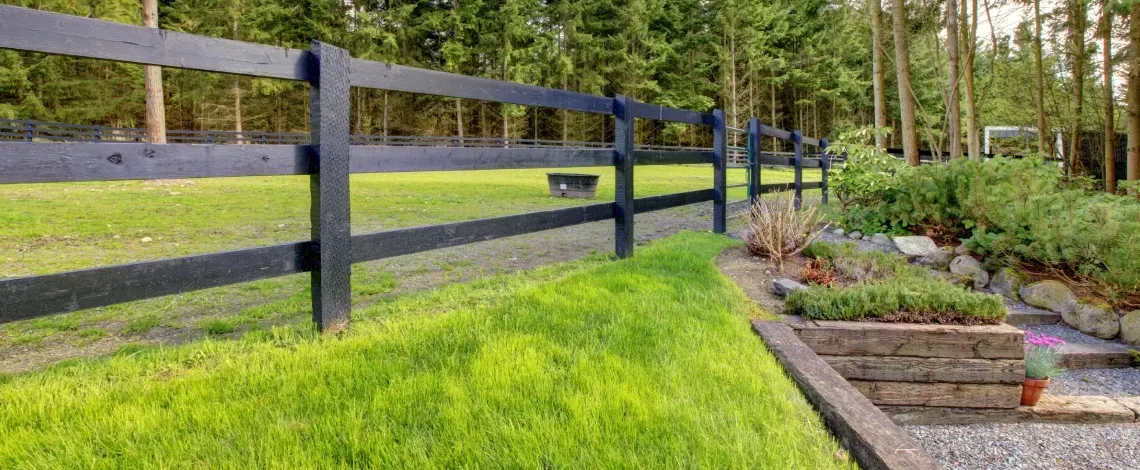
If you are wondering how many acres per horse you need in Kentucky, a practical starting point is about 2 to 3 acres of well-managed pasture for each mature horse. The actual amount can vary based on soil quality, forage growth, drainage, terrain, and how intensively the pasture is used.
A productive, well-maintained field may support horses on less acreage, while steep, wet, compacted, or heavily grazed land may require considerably more space.
How Much Pasture Should You Plan Per Horse?
The 2-to-3-acre guideline gives Kentucky horse owners a useful starting point when estimating pasture needs.
| Number of Horses | General Pasture Starting Point |
|---|---|
| 1 horse | 2 to 3 acres |
| 2 horses | 4 to 6 acres |
| 4 horses | 8 to 12 acres |
| 6 horses | 12 to 18 acres |
These figures assume the pasture is productive and regularly maintained. Acreage alone does not determine how many horses a property can comfortably support.
What Determines How Many Acres Your Horses Need?
Two Kentucky farms with the same number of acres may have very different carrying capacities. The quality and usability of the land matter just as much as the total property size.
Important factors include:
- Soil fertility and grass growth
- Drainage and moisture levels
- Slope and terrain
- Grazing pressure
- Amount of supplemental feeding
- Ability to rotate horses between paddocks
- Overall pasture maintenance
A 10-acre property, for example, may only provide 6 acres of usable pasture after accounting for the home, barn, driveway, wooded sections, ponds, and steep or wet ground. Horse capacity should therefore be based on the land that can actually support regular grazing.
Pasture Management Helps Protect the Acreage You Have
Good pasture management does not create more land, but it can prevent productive acreage from becoming thin, muddy, or overgrown. Horses tend to graze preferred areas repeatedly, so unmanaged fields can deteriorate even when the overall property seems large enough.
A practical pasture management plan may include mowing, weed control, rotational grazing, resting wet fields, and maintaining areas around gates and fence lines.
Rotate Horses Between Paddocks
Rotational grazing gives previously grazed areas time to recover before horses return. Even a simple system with two or three paddocks can reduce continuous grazing pressure and help desirable grasses grow stronger.
Recovery times will vary depending on rainfall, temperature, grass growth, and how heavily the pasture was grazed.
Protect Pastures During Wet Conditions
Kentucky rainfall can leave paddocks vulnerable to hoof damage, compaction, and mud. During especially wet periods, moving horses to a designated sacrifice area can protect the primary pasture while the soil dries and grass recovers.
Sacrifice areas can be particularly helpful during winter, extended rainfall, pasture renovation, or other times when fields cannot handle regular traffic.
Mowing and Field Maintenance Keep More Land Usable
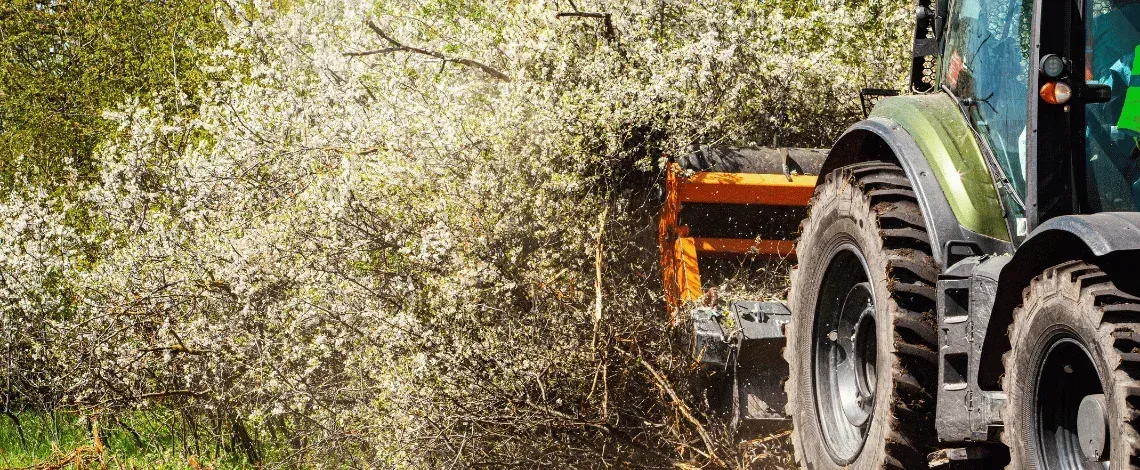
Regular mowing helps manage uneven pasture growth and keeps fields easier to inspect. Brush hogging may also be needed when rough or unused acreage becomes covered in tall weeds, brush, or dense vegetation.
Webb Outdoor Solutions provides pasture and paddock mowing, brush hogging, and other equine farm maintenance services throughout Central Kentucky. Maintaining fence lines, field edges, gates, and access areas can also prevent usable acreage from gradually becoming harder to manage.
Areas that commonly need additional attention include:
- Fence lines and corners
- Gates and barn entrances
- Feeding and watering areas
- Rough field edges
- Unused or overgrown acreage
Consistent maintenance can make it easier to monitor pasture condition, inspect fencing, and keep equipment access open.
Drainage Can Reduce or Improve Usable Pasture
Poor drainage can turn productive ground into mud, bare soil, and erosion zones. Water problems are especially common around gates, barns, feeding areas, low spots, and natural drainage paths where horse traffic is concentrated.
Grading, drainage improvements, and excavation may help move water away from vulnerable areas and protect surrounding pasture. Correcting these problems can sometimes make existing acreage more functional without requiring additional land.
Signs Your Pasture May Be Under Too Much Pressure
The condition of the field can provide useful clues about whether your acreage and management approach are working.
Watch for:
- Large areas of repeatedly grazed grass
- Increasing patches of bare soil
- Persistent muddy sections
- Weeds replacing desirable forage
- Compacted soil around gates and feeders
- Erosion on slopes or drainage paths
- Pastures that recover slowly after grazing
These problems do not always mean you need more acres. They may also indicate that you need to adjust grazing rotation, drainage, mowing, or other maintenance practices.
How to Evaluate Your Kentucky Horse Property
Instead of relying only on a statewide acreage guideline, look at how your individual property functions.
Ask:
- How many acres are actually available for grazing?
- How productive is the existing grass?
- Does the property drain well after heavy rainfall?
- Can horses be moved between paddocks to allow recovery?
- Are fields, fence lines, and rough areas maintained regularly?
Looking at these factors together gives you a more realistic idea of how many horses the property can support.
So, How Many Acres Per Horse Do You Need?
For many Kentucky horse properties, 2 to 3 acres of productive pasture per mature horse is a reasonable starting point. However, no single acreage number works for every farm.
Soil condition, drainage, forage quality, terrain, grazing habits, and maintenance all influence how much land your horses need. A well-managed property can make better use of its acreage, while neglected or poorly drained fields may support fewer horses than their size suggests.
Keep Your Kentucky Horse Property in Better Condition
Having enough acreage is important, but keeping that land usable requires regular maintenance. Pasture mowing, brush hogging, fence line trimming, drainage work, grading, and field cleanup can all help protect the areas your horses rely on.
Webb Outdoor Solutions provides equine farm maintenance and property services throughout Central Kentucky.
Contact us today to discuss the maintenance, drainage, or field work your horse property may need.
Recent Posts
Get Started With Confidence
When you need dependable outdoor services, choose a team that values clear communication, quality workmanship, and reliable results. We take a practical approach to every project and focus on doing the job right from start to finish. Contact us today to discuss your needs and take the first step toward better outdoor spaces.