

Mulch, Rock, or Gravel? Choosing the Right Ground Cover for Your Central Kentucky Yard
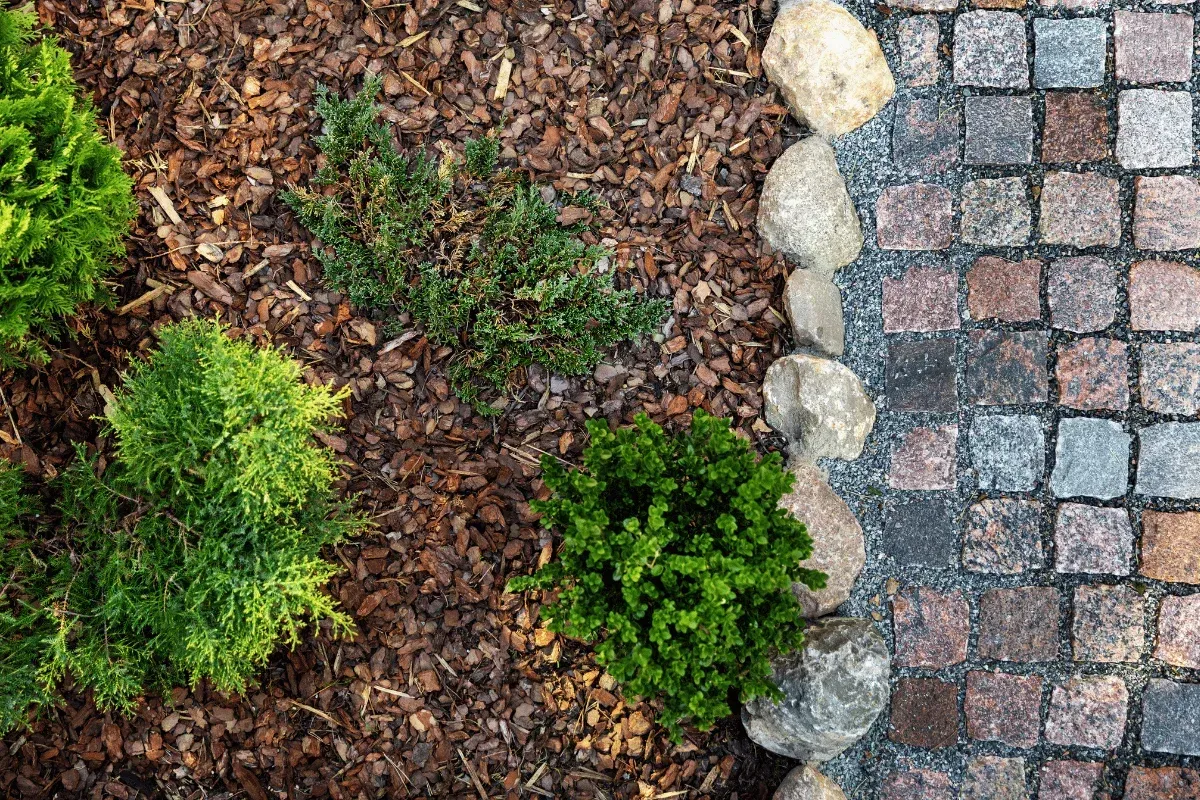
Choosing between mulch, rock, or gravel is one of the most important decisions for your landscape beds. Each option affects drainage, plant health, and long-term maintenance in Central Kentucky’s changing conditions. This guide breaks down each option so you can choose what works best for your property.
Understanding Your Ground Cover Options
Ground cover plays a major role in how your landscape performs over time. It affects moisture retention, weed control, and overall curb appeal. Before choosing, it is important to understand how each material functions and where it works best.
Mulch: Organic and Plant-Focused
Mulch is made from organic materials like bark or wood chips that break down over time. It supports soil health while protecting plant roots from temperature changes. This makes it a strong choice for planting beds where long-term growth matters.
- Helps retain moisture in the soil
- Regulates soil temperature
- Adds nutrients as it decomposes
- Reduces weed growth
Rock: Long-Term and Low Maintenance
Decorative rock is a non-organic material that provides a clean and structured look. It does not break down, which makes it a long-term solution for specific areas. Many homeowners choose it for its durability and minimal upkeep.
- Lasts for years without replacement
- Creates a modern and defined appearance
- Works well in edging and accent areas
- Requires very little maintenance
Gravel: Functional and Drainage-Focused
Gravel is a small stone material commonly used for function over appearance. It allows water to pass through easily, which helps prevent pooling and erosion. This makes it a reliable option for drainage and utility areas.
- Excellent for drainage control
- Ideal for pathways and utility zones
- Helps prevent water buildup
- Cost-effective for larger spaces
Mulch vs Rock vs Gravel: Quick Comparison
Each material has its own strengths depending on how you plan to use your space. Some are better for plant health, while others are better for structure and drainage. This comparison helps you quickly understand which option fits your needs.
| Feature | Mulch | Rock | Gravel |
|---|---|---|---|
| Soil Health | Improves soil | No benefit | No benefit |
| Maintenance | Needs refresh | Very low | Moderate |
| Drainage | Moderate | Good | Excellent |
| Cost (Upfront) | Lower | Higher | Medium |
| Longevity | Short-term | Long-term | Long-term |
| Best Use | Plant beds | Decorative areas | Drainage and paths |
How to Choose the Right Option for Your Yard
Choosing the right ground cover depends on how your yard functions and what results you want long-term. Properties in this region often deal with heavy rain and seasonal temperature changes. This means your material should match both your layout and your maintenance expectations.
Consider Drainage First
Drainage should be your first priority when selecting ground cover. If water tends to collect in certain areas, gravel or rock will perform better than mulch. These materials allow water to move through rather than trap it at the surface.
Think About Plant Health
If your space includes trees, shrubs, or flower beds, mulch is usually the better option. It supports root systems and improves soil quality over time. This leads to healthier plants and more consistent growth.
Plan for Maintenance
Every material comes with different maintenance requirements. Mulch needs to be refreshed regularly to maintain its performance and appearance. Rock and gravel last longer but may require occasional cleanup or repositioning.
Common Mistakes to Avoid
Using the wrong material in the wrong area can create long-term problems for your landscape. Many issues come from poor planning or improper installation. Avoiding these mistakes helps your yard perform better and reduces unnecessary maintenance.
- Using rock in planting beds where soil health matters
- Applying mulch too thick or too thin
- Skipping proper base preparation for gravel or rock
- Mixing materials without a clear design plan
What Works Best for Most Yards
Most residential landscapes benefit from a combination approach. Using different materials in the right areas allows you to balance function and appearance. This also helps your yard handle both drainage and plant health more effectively.
- Use mulch in planting beds and around trees
- Use gravel in drainage areas or pathways
- Use rock for accents and low-maintenance zones
This strategy creates a clean, structured landscape that performs well throughout the year.
Transform Your Yard with the Right Ground Cover
Choosing the right ground cover is only the first step. The real results come from proper installation, grading, and placing materials in the right areas. That is what separates a quick fix from a landscape that performs well year-round.
Webb Outdoor Solutions provides mulching services, decorative gravel installation, and comprehensive ground-cover solutions for residential properties. From bush trimming to full bed preparation and installation, every project is handled with a clear plan and attention to detail. If you are ready to upgrade your yard with a clean, long-lasting finish, reach out today to get started.
Recent Posts

Get Started With Confidence
When you need dependable outdoor services, choose a team that values clear communication, quality workmanship, and reliable results. We take a practical approach to every project and focus on doing the job right from start to finish. Contact us today to discuss your needs and take the first step toward better outdoor spaces.