

Utility Trenching 101: What Richmond, KY Homeowners Need to Know Before Digging
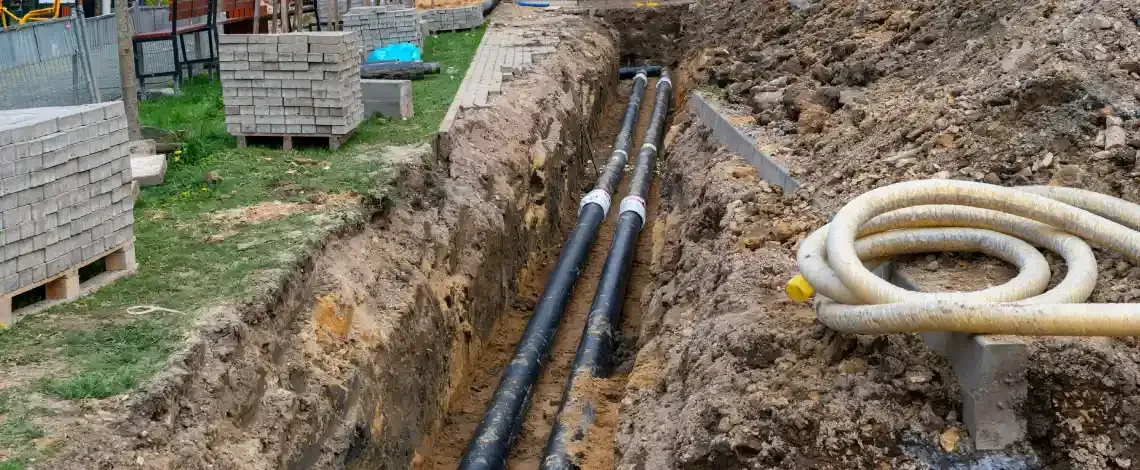
Utility trenching creates a planned underground path for lines such as electrical conduit, water pipes, drainage systems, gas connections, and communication wiring. For homeowners planning an outdoor improvement, professional utility trenching in Richmond, KY, helps prepare the property for installation. Proper planning can reduce the risk of damage, protect existing features, and support a cleaner finished project.
What Is Utility Trenching Used For?
Utility trenching is commonly required when a property needs a new underground connection or a system upgrade. The trench must be sized and placed according to the type of line being installed, the property layout, and the installation requirements. This makes trenching an important early step for many residential projects.
Common uses for trenching include:
- Electrical conduit for a detached garage, shed, gate, or outdoor lighting
- Water lines for irrigation, outdoor fixtures, or accessory structures
- Drainage pipe for wet areas, runoff, or standing water concerns
- Gas connections for an outdoor kitchen, fire feature, or generator
- Underground wiring for internet, cable, security, or low-voltage systems
Start With a Clear Project Plan
Before excavation begins, homeowners should know exactly what the trench is intended to support. Different utility lines may require different depths, materials, spacing, and installation methods. Planning these details early helps prevent rework after the trench has already been dug.
The project plan should identify where the line begins and ends, where equipment can access the property, and whether the trench route will cross lawns, beds, driveways, or hardscape areas. It should also account for future landscaping or outdoor upgrades that could be affected by the new line. A thoughtful plan helps keep the trench route practical now and easier to work around later.
Check for Underground Utilities Before Digging
Before trenching begins, homeowners should make sure underground utility lines are identified. Electric, gas, water, sewer, cable, and communication lines may run through areas that appear clear from the surface. Identifying these lines helps reduce the risk of damage, safety concerns, and unexpected repair costs.
A professional trenching contractor can help plan the route around known utilities and determine whether additional locating is needed for private lines. Private lines may include irrigation wiring, landscape lighting, pool equipment, or utility lines serving a detached garage, shed, or other outdoor structure. This step should be completed before excavation equipment enters the work area.
Plan the Best Route for the Trench
The shortest route is not always the best route. A trench should be planned around existing utilities, trees, roots, retaining walls, patios, driveways, drainage patterns, and other property features. Choosing the right path can help reduce disruption and simplify restoration after the project is complete.
When planning excavation trenching in Madison County, KY, homeowners should consider:
- The start and end points of the new utility line
- Existing underground utilities and private lines
- Trees, roots, patios, driveways, and retaining walls
- Slopes, low areas, and drainage patterns
- Equipment access and available workspace
- Future landscaping, hardscaping, or outdoor living projects
Why Trench Depth and Grade Matter
The needed depth of a trench depends on what is being installed. Electrical, water, drainage, gas, and communication lines may have different installation requirements. The contractor and utility installer should confirm those requirements before excavation begins.
Grade is especially important for drainage trenching. The drainage pipe must be installed with the proper slope so that water moves away from the problem area. A poorly graded trench can lead to standing water, shifting soil, pipe issues, and additional repair work later.
Consider Property Conditions Before Excavation
No two properties have the same excavation conditions. Soil type, wet areas, slopes, tight access, and existing landscaping can all affect how trenching should be completed. A site review helps identify these factors before they turn into delays during the project.
Professional trenching services can be especially helpful when:
- The trench crosses a large section of the yard
- The route runs close to existing utilities
- The property has slopes, wet areas, or drainage concerns
- The project requires a precise depth or consistent grade
- Access is limited by fences, trees, landscaping, or hardscape features
- Trenching is part of a larger grading or drainage project
Coordinate Trenching With Other Outdoor Work
Utility trenching is often part of a larger outdoor project. It may be needed before installing drainage systems, irrigation components, landscape lighting, outdoor kitchens, detached structures, or hardscape features. Coordinating this work early can help avoid digging through the same part of the yard more than once.
For example, trenching can be completed alongside grading, drainage excavation, or site preparation. This allows the project to follow a more efficient sequence while helping protect the finished landscape. It can also make backfilling and restoration more organized once all underground work is complete.
What Happens During a Utility Trenching Project?
A trenching project usually begins with an on-site review of the intended route, utility locations, access points, soil conditions, and property grade. This helps determine the right excavation approach and identifies any obstacles that need to be addressed. The goal is to prepare a trench that supports the installation without causing unnecessary disruption to the property.
Once the route is confirmed, the trench is excavated to the needed depth and alignment. After the utility work is completed, the trench is backfilled, and the disturbed area is prepared for restoration. Depending on the project, this may include regrading soil, replacing sod, repairing mulch beds, or preparing the area for the next phase of construction.
Work With a Professional Trenching Contractor in Richmond, KY
Utility trenching involves more than digging a narrow ditch across the yard. The project requires careful planning for underground lines, grade, drainage, property access, and restoration. Working with an experienced trenching contractor helps prepare your property for the work ahead.
Webb Outdoor Solutions provides utility trenching in Richmond, KY, as well as grading, drainage excavation, land clearing, and site preparation services throughout Madison County.
Contact us today to discuss your project and schedule an on-site evaluation.
Recent Posts


Get Started With Confidence
When you need dependable outdoor services, choose a team that values clear communication, quality workmanship, and reliable results. We take a practical approach to every project and focus on doing the job right from start to finish. Contact us today to discuss your needs and take the first step toward better outdoor spaces.